
The Week Ladakh Turns Pink — Apricot Blossom Season Is Everything
Most people think of Ladakh in summer — the open roads, the turquoise lakes, the high passes. But there’s a quieter, softer version of Ladakh that only reveals itself for a few precious weeks each spring, and honestly? It’s the one that stays with you longest.
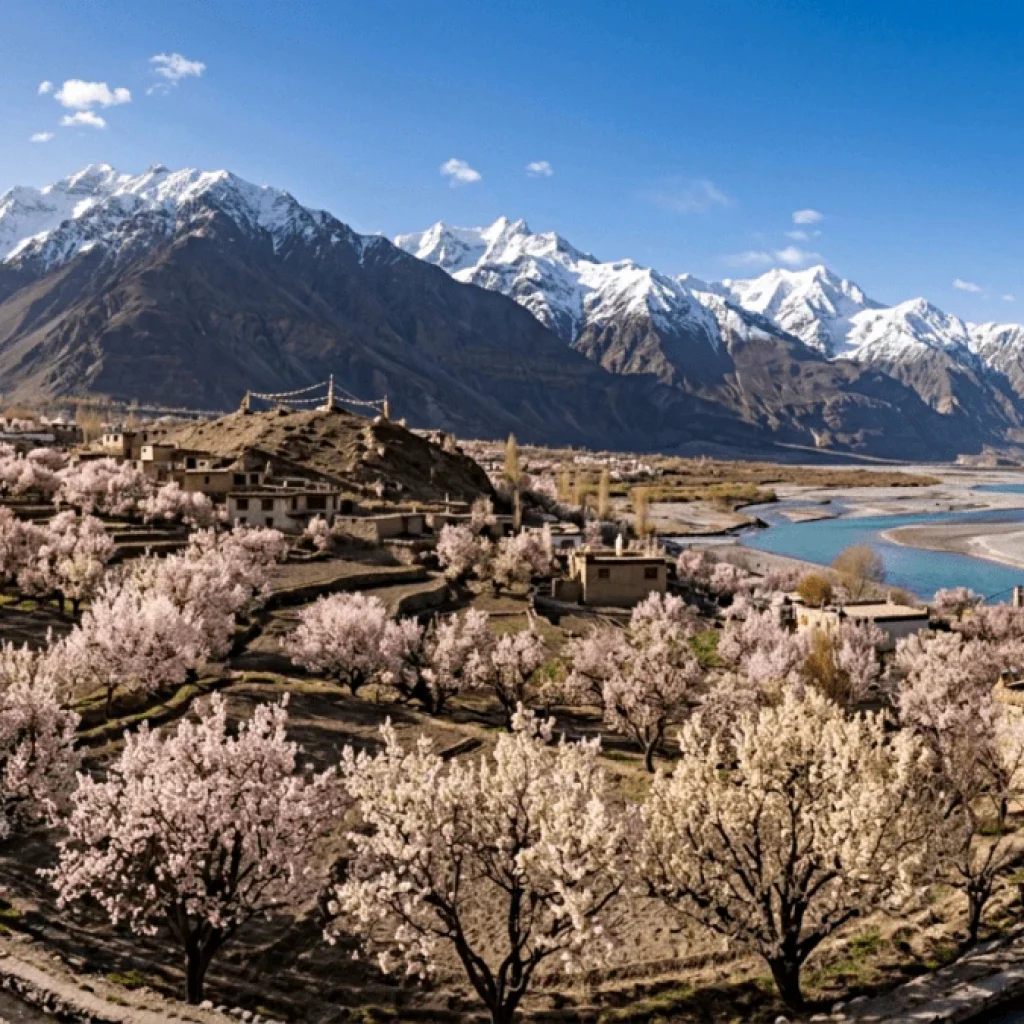
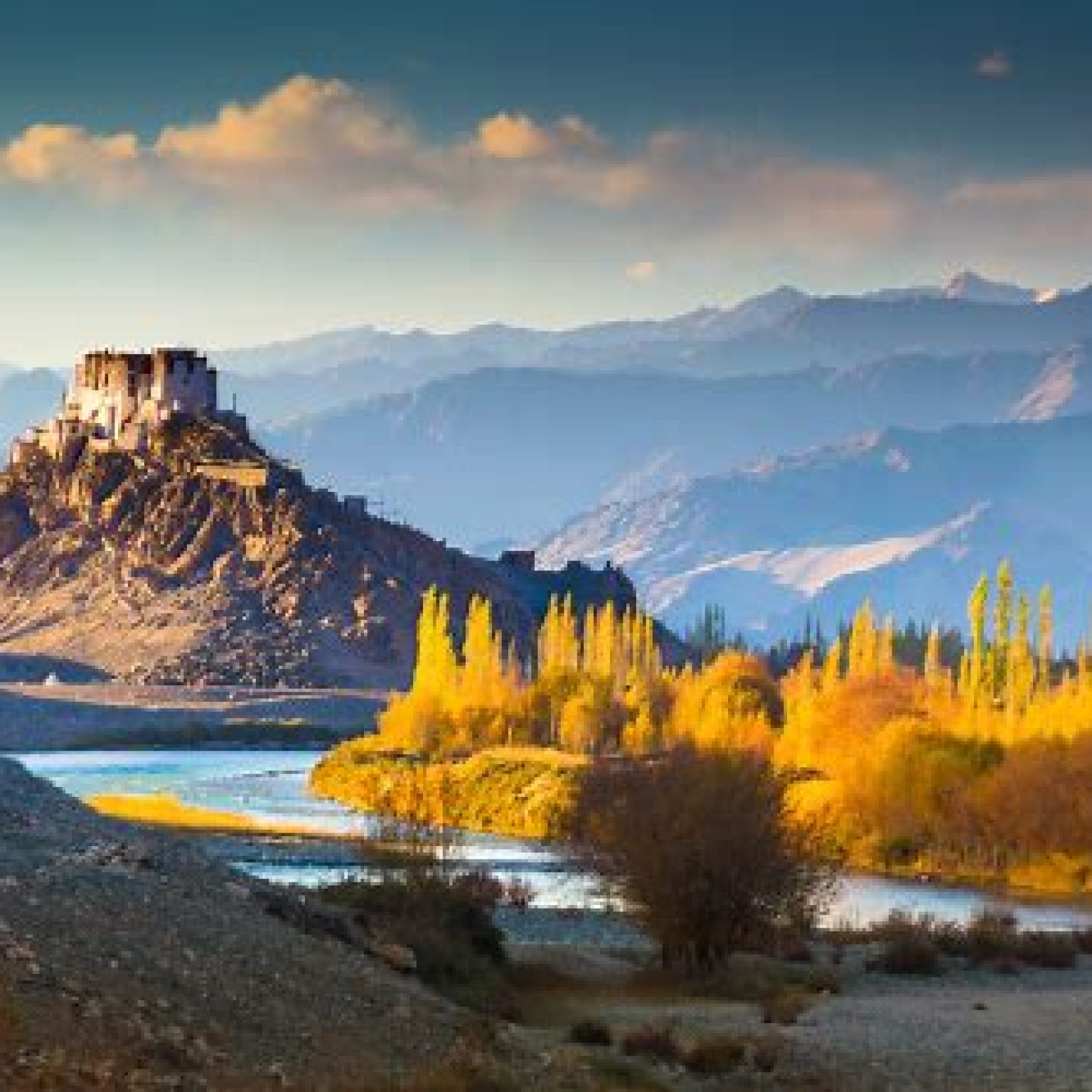
Every year between late March and mid-April, the apricot orchards of Ladakh burst into bloom. Thousands of trees, draped in soft pink and white flowers, transform one of India’s most dramatic landscapes into something that looks almost impossibly gentle. Against a backdrop of snow-dusted mountains and ancient monasteries, it’s the kind of sight that makes you stop mid-sentence and just stare.
This is Chulli Mendok — Ladakh’s Apricot Blossom Festival — and if it’s not on your travel list yet, it should be.
What Actually Happens During Apricot Blossom?
Peaking in the first half of April — the valleys of Ladakh fill with blossoms. Local communities organise cultural performances, handicraft exhibitions, and food events. You’ll find apricot pies, jams, fresh juices, and traditional desserts made from the fruit that has sustained these mountain communities for centuries. Artisans set up markets selling handmade apricot wood crafts and embroidered textiles that you simply won’t find anywhere else.
But the real magic happens in the quieter moments — walking through an orchard in the morning light, a local farmer stopping to offer you tea, the sound of wind through the blossoms. That’s the Ladakh that people come back for.
Best time to visit: Early April. The bloom typically runs late March to mid-April, but the first two weeks of April are your sweet spot.
Five Days That Are Absolutely Worth It
Day 1 — Land, rest, breathe slowly. Leh sits at 3,500 metres. Your first day is non-negotiable rest time. Take a gentle walk to Shanti Stupa at sunset, browse the local market, eat something warm. Let your body adjust. Altitude sickness is real and it’s not worth rushing.
Day 2 — The Sham Valley Blossom Trail. This is the one. Sham Valley — nicknamed the “Apricot Blossom Valley” — is where you lace up your shoes and simply walk. Through orchards, past farmhouses, stopping to chat with locals who are genuinely happy to see you there. There’s no performance here. It’s just real life, in full bloom.
Day 3 — Domkhar Valley’s quiet charm. Fewer tourists, more orchards, tiny villages where time seems to operate differently. Domkhar is the kind of place that makes you wish you’d packed for two extra weeks.
Day 4 — Nubra Valley via Khardung La. Yes, the famous high pass. But the reward at the end — the blossom villages of Turtuk and Tyakshi — is worth every dramatic switchback. Apricot trees as far as you can see, framed by the Karakoram range.
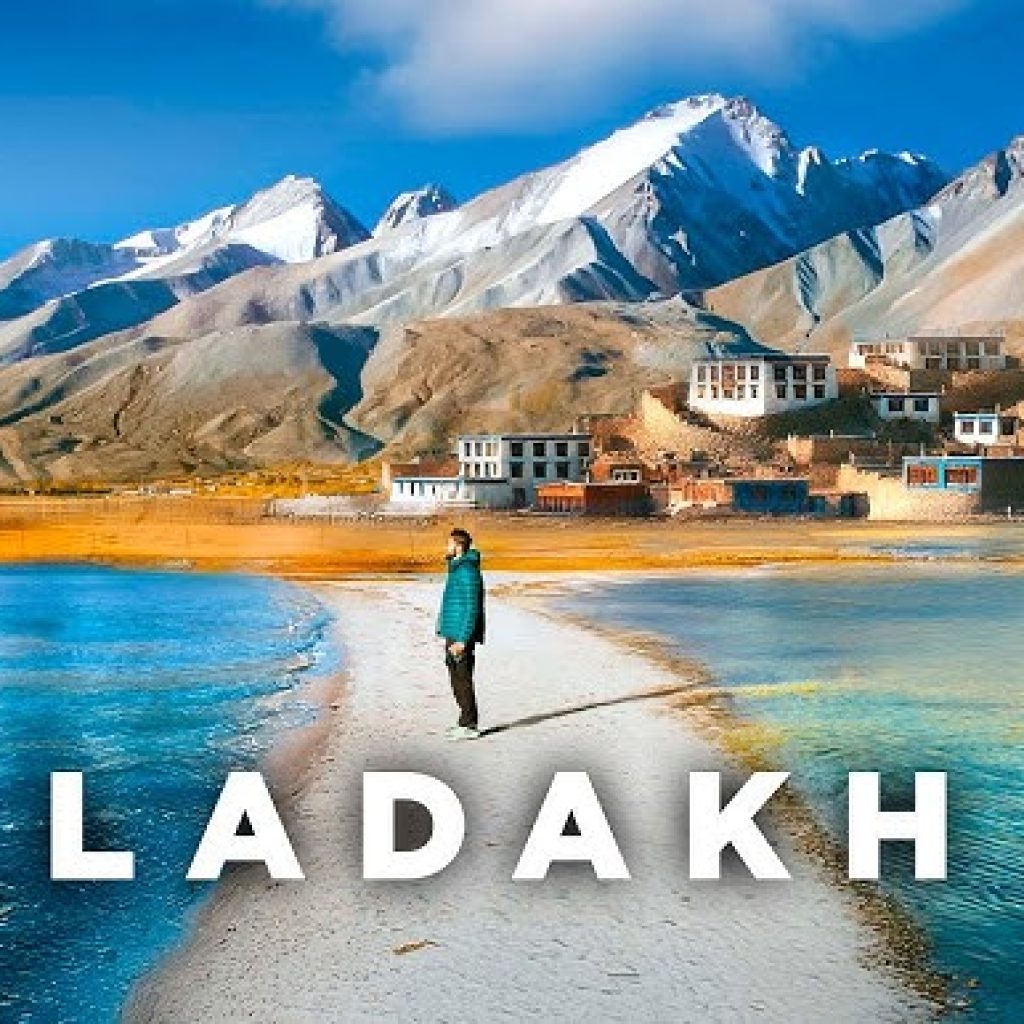
Day 5 — Pangong Lake, then home. Take the Shyok route back to Leh. Stop at Pangong Tso for that moment of pure, wordless awe that everyone talks about. Then head back to Leh, slightly sunburned and very happy.
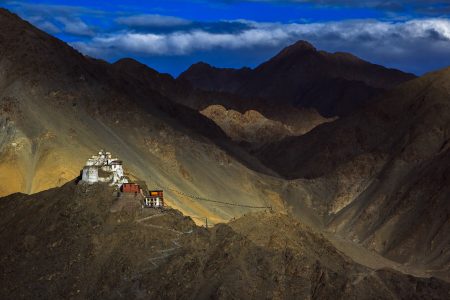

Leh Ladakh
Moon land Ladakh
The Places Most Tourists Miss
While Sham Valley and Domkhar get most of the attention, these three hidden gems are worth seeking out:
Uleytokpo — a quiet riverside village with apricot orchards and mountain views that feel almost too perfect to be real.
Achinathang — ancient rock art, traditional Ladakhi houses, and orchards along the Indus River. Peaceful in a way that’s hard to describe.
Dha and Hanu — villages of the Brokpa community, believed by some to be descendants of Alexander the Great’s army. Whether or not you buy the history, the culture here is utterly fascinating.
A Few Things to Know Before You Go
Pack layers, not light. Spring days can be beautifully sunny. Spring evenings will be cold. Bring a proper jacket regardless of what your weather app says.
Get your Inner Line Permit sorted. To visit Pangong Lake, Nubra Valley, or Tso Moriri, you’ll need an ILP. Apply online through the Leh District Permit Tracking System or ask your accommodation to help — it’s straightforward.
Carry cash. ATMs are limited and card payments often aren’t an option in smaller villages. Take more cash than you think you’ll need.
Book early. The blossom season window is short and Ladakh fills up fast. Hotels, homestays, everything goes quickly. Book as far ahead as you can.
Acclimatise properly. This is not a suggestion — it’s the difference between a wonderful trip and a miserable one. Take your first day easy, drink plenty of water, and don’t overdo it.
Respect the culture. Ladakh has a deep and living Buddhist tradition. Dress modestly at monasteries, ask before photographing people, and tread gently. The warmth you get in return is remarkable.
Why This Trip is Worth It
There’s something about Ladakh in blossom season that feels like a secret the world hasn’t quite discovered yet — even though, increasingly, more people are finding their way there.
It’s not just about the pretty photographs (though there will be many). It’s about the particular feeling of being somewhere ancient and alive, where spring isn’t just a season but a genuine cause for celebration. Where a farmer hands you a piece of dried apricot and you realise it’s the best thing you’ve ever tasted.
Go in summer for the lakes and the passes. But go in spring for the soul of the place.
Ladakh in blossom season is Ladakh at its most quietly extraordinary — and that’s saying something.

Comment (0)