There’s something about Myanmar that stays with you long after you’ve left — or even long after you’ve simply read about it. It’s a country that carries centuries of history in its stones, spirituality in its air, and an almost indescribable warmth in its people.
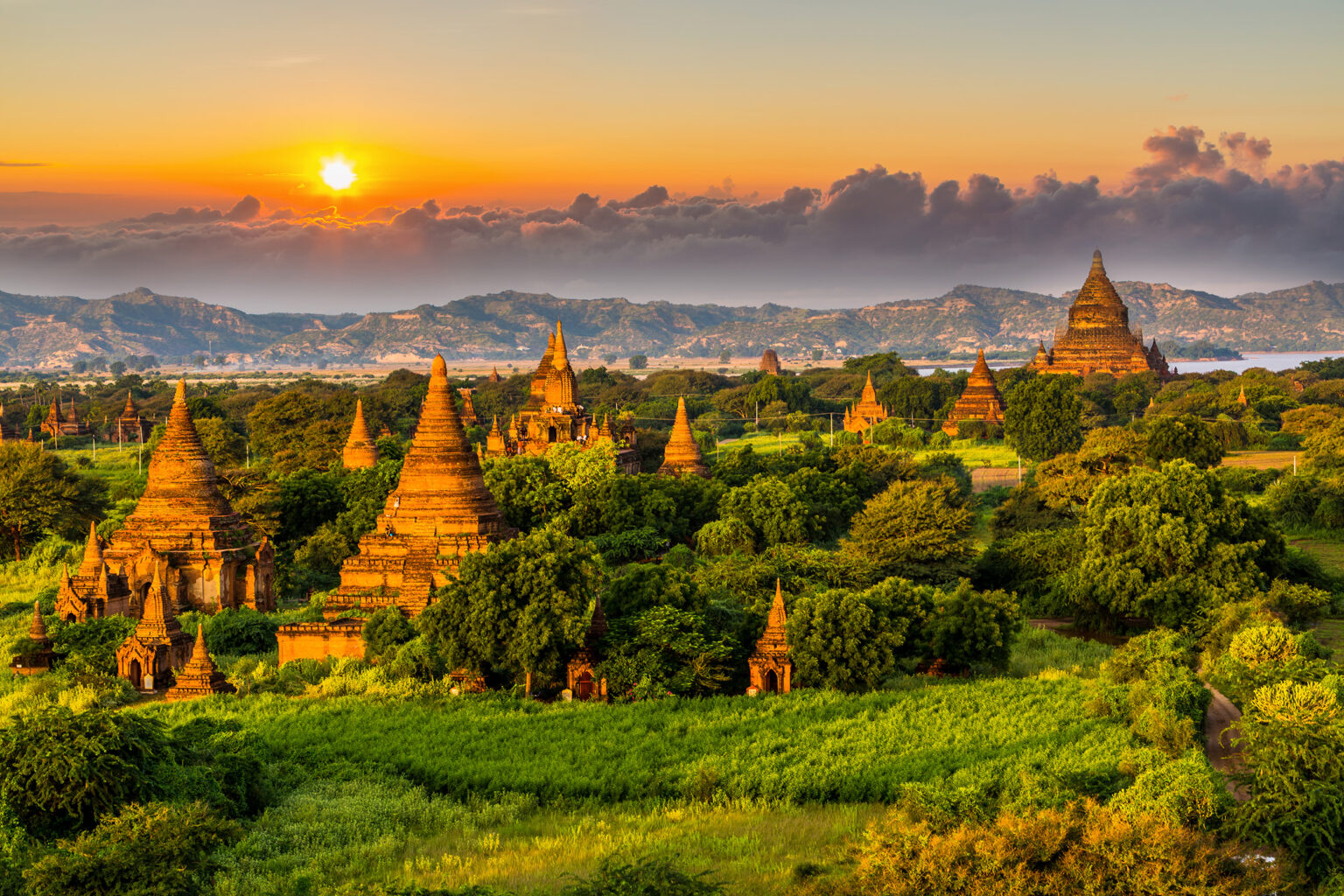
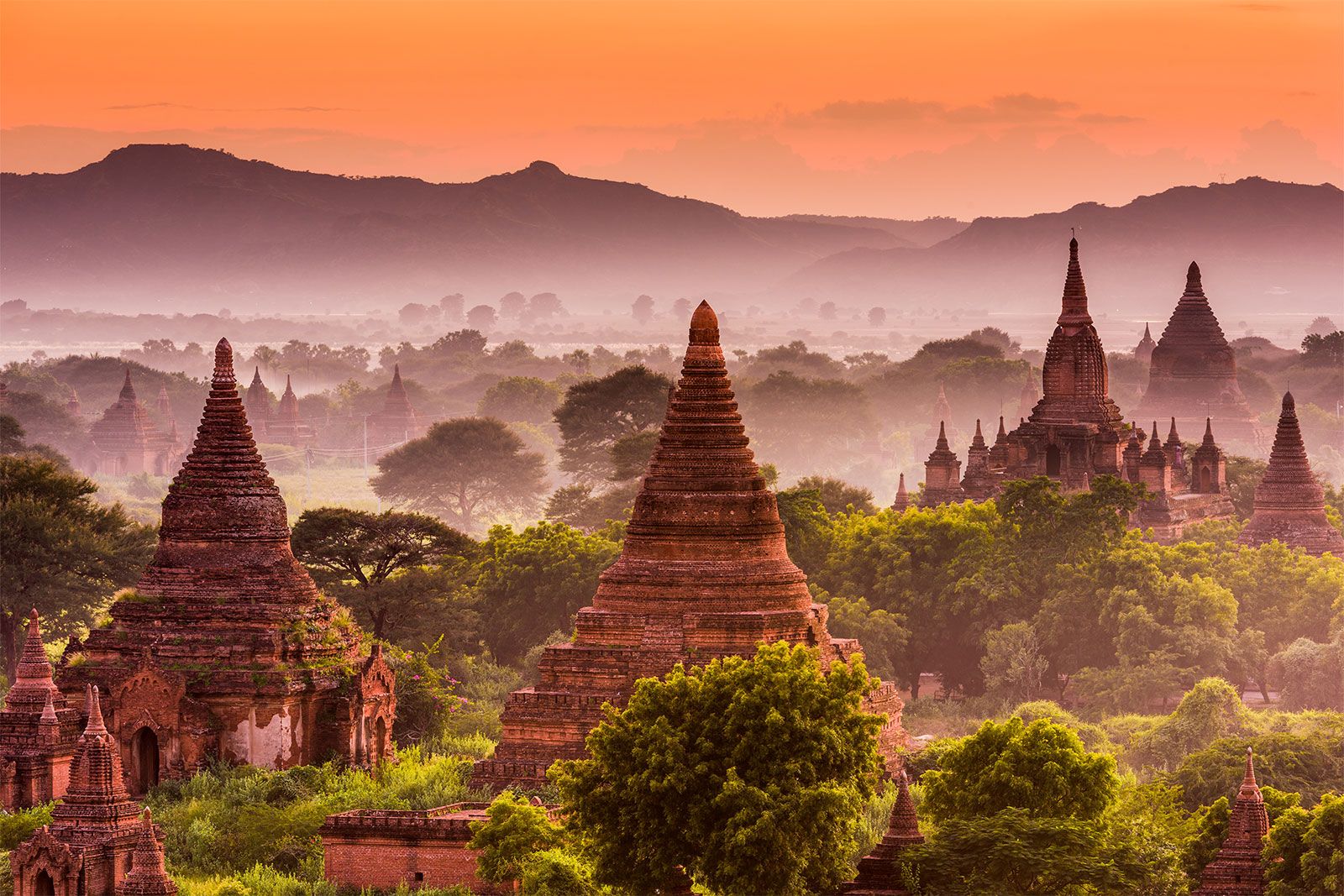
In Bagan, the sun rises over a plain scattered with over 3,000 ancient temples and pagodas — a sight so surreal it barely feels real. Hot air balloons drift quietly overhead. Monks chant in the distance. Time seems to slow down entirely.
At Inle Lake, fishermen balance on one leg at the edge of their boats, casting nets in a technique passed down through generations. The lake’s floating gardens produce tomatoes, flowers, and vegetables that feed entire communities — a ingenious and beautiful relationship between people and water.
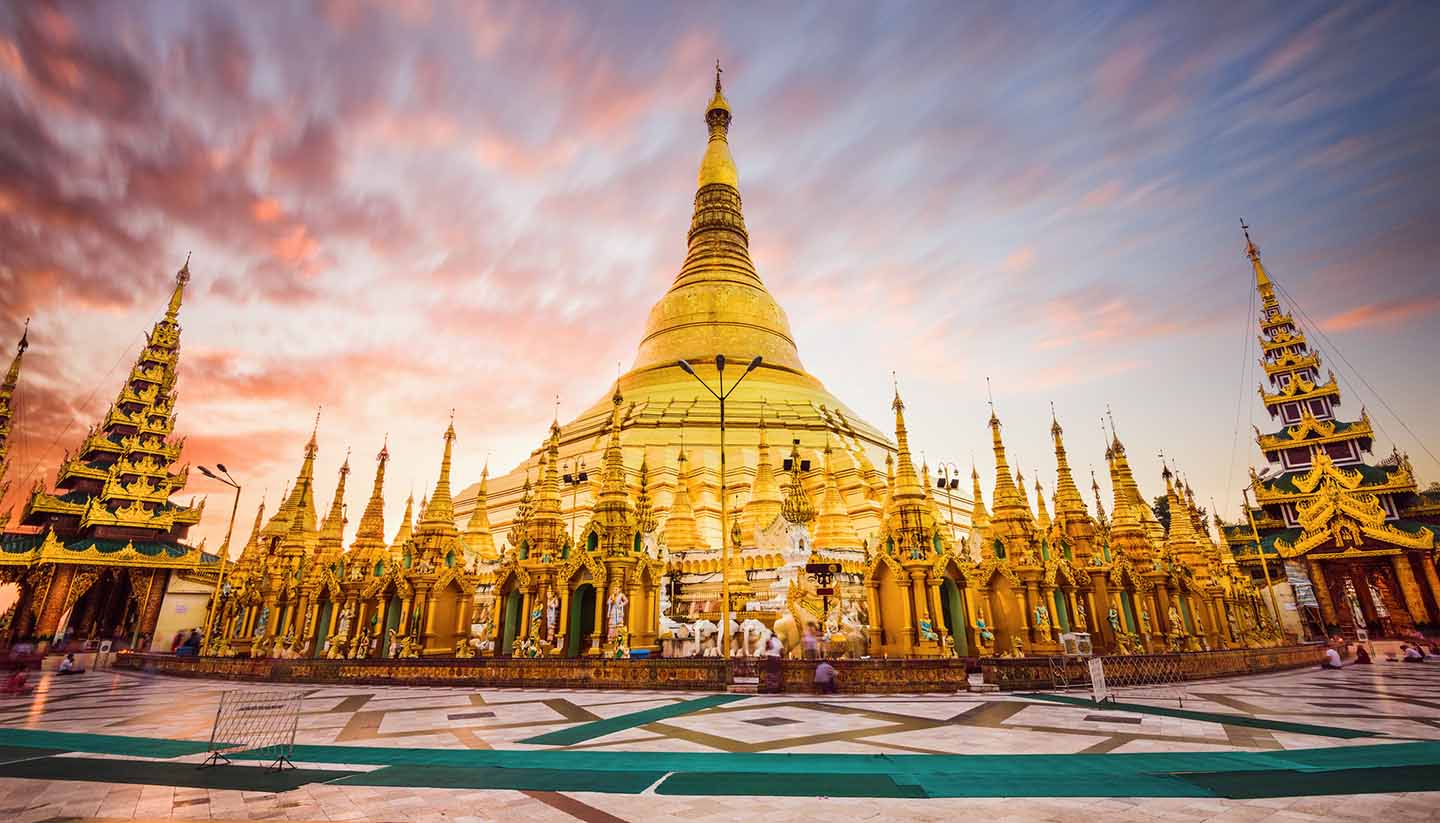
In Yangon, the golden Shwedagon Pagoda rises 98 metres into the sky, glittering in the sunlight, and has done so for over 2,500 years. It isn’t just a monument — it is the soul of the city, a place where people come to pray, to reflect, and to feel connected to something larger than themselves.
Buddhism in Myanmar isn’t practiced occasionally — it’s lived daily. Nearly 90% of the population follows Theravada Buddhism, and its influence touches everything. Young boys spend time as novice monks as a rite of passage. Families donate food to monasteries every morning. Festivals like Thingyan (the Water Festival) and Thadingyut (the Festival of Lights) bring entire communities together in joyful, colorful celebration.