
We Almost Didn't Go to Bhutan — And It Would Have Been Our Biggest Mistake

When my partner and I started planning our honeymoon, we had the usual suspects on the list — Maldives, Santorini, Bali. You know the drill. But something kept nagging at us. We’d both been to “beautiful places” before. We wanted somewhere that would actually change us a little.

That’s how Bhutan found its way onto our radar.

I’ll be honest — neither of us knew much about it. A tiny Himalayan kingdom tucked between India and China, famous for measuring happiness instead of GDP. It sounded almost too poetic. But the more we read, the more we knew: this was the one.

And it was. Completely, overwhelmingly, the right call.

So if you’re the kind of couple who’d rather hike to a cliffside monastery at sunrise than lie on a sunlounger — this is your honeymoon guide.

1. Paro — Where You'll Fall in Love All Over Again

The moment our flight descended into Paro’s narrow valley, with the plane practically skimming the green hillsides, I grabbed my partner’s hand and didn’t let go. That pretty much set the tone for everything that followed.

Paro is the kind of town that makes you slow down. Wooden farmhouses painted with traditional motifs, paddy fields glowing gold in the afternoon light, tiny cafés where the owner brings you butter tea and wants to know where you’re from. It’s unhurried in the best possible way.

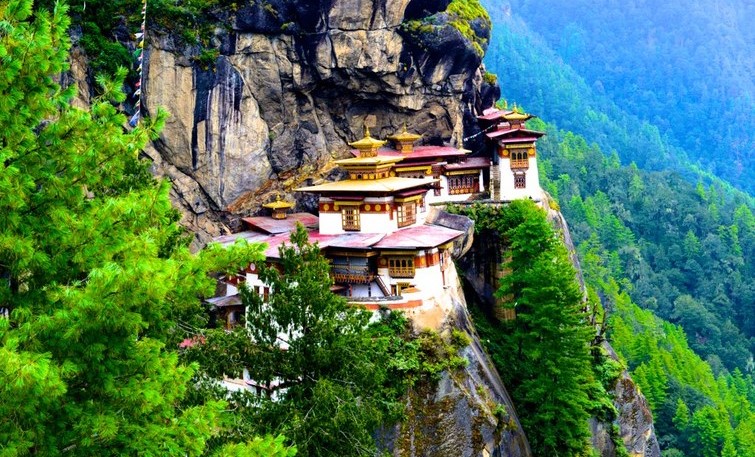
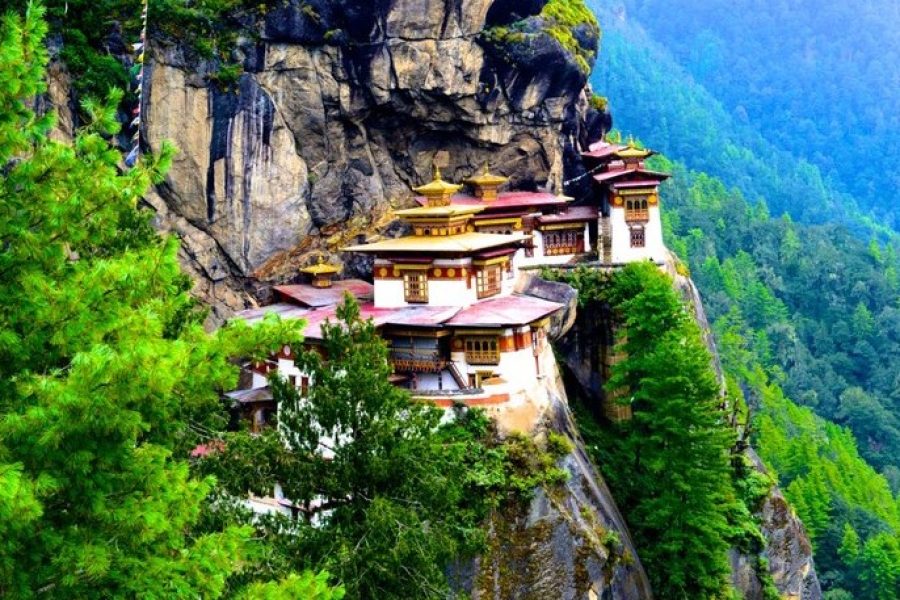
But the moment everyone comes to Paro for — and rightfully so — is Taktshang Goemba, the Tiger’s Nest Monastery.

Built impossibly into the face of a cliff at 3,000 feet above the valley floor, this cluster of temples and monasteries is where Guru Rinpoche — the founder of Vajrayana Buddhism — is said to have meditated in a cave. And the hike up? It’s one of those experiences that physically demands something of you, which somehow makes it feel earned.

Weekend tip: The Paro weekend market is a hidden gem for picking up handcrafted souvenirs without the tourist markup. Go early.

The trail winds through pine forests, past fluttering prayer flags and mountain viewpoints that’ll make you forget you’re out of breath. We stopped at the halfway teahouse, ordered hot drinks, and just sat there in silence watching the monastery cling to the cliff across from us. I don’t think either of us said anything for about five minutes. Some views render words completely useless.

Don’t miss: The Ta Dzong National Museum, which houses over 3,000 artefacts spanning 1,500 years of Bhutanese history. It’s fascinating even if you’re not a museum person — and the building itself, a traditional watchtower, is gorgeous.

2. Thimphu — The Capital That Doesn't Feel Like One

An hour’s drive from Paro, Thimphu is Bhutan’s largest city and capital — and yet it somehow manages to feel nothing like a capital city. There are no traffic lights (they tried them once; the locals found them impersonal, so they went back to traffic police). That tells you everything you need to know.

The city sits along the Thimphu Chu river and blends traditional Bhutanese architecture with the gentle hum of modern life in a way that never feels jarring. There’s a reason it’s called the heart of Bhutan — it genuinely pulses with culture.

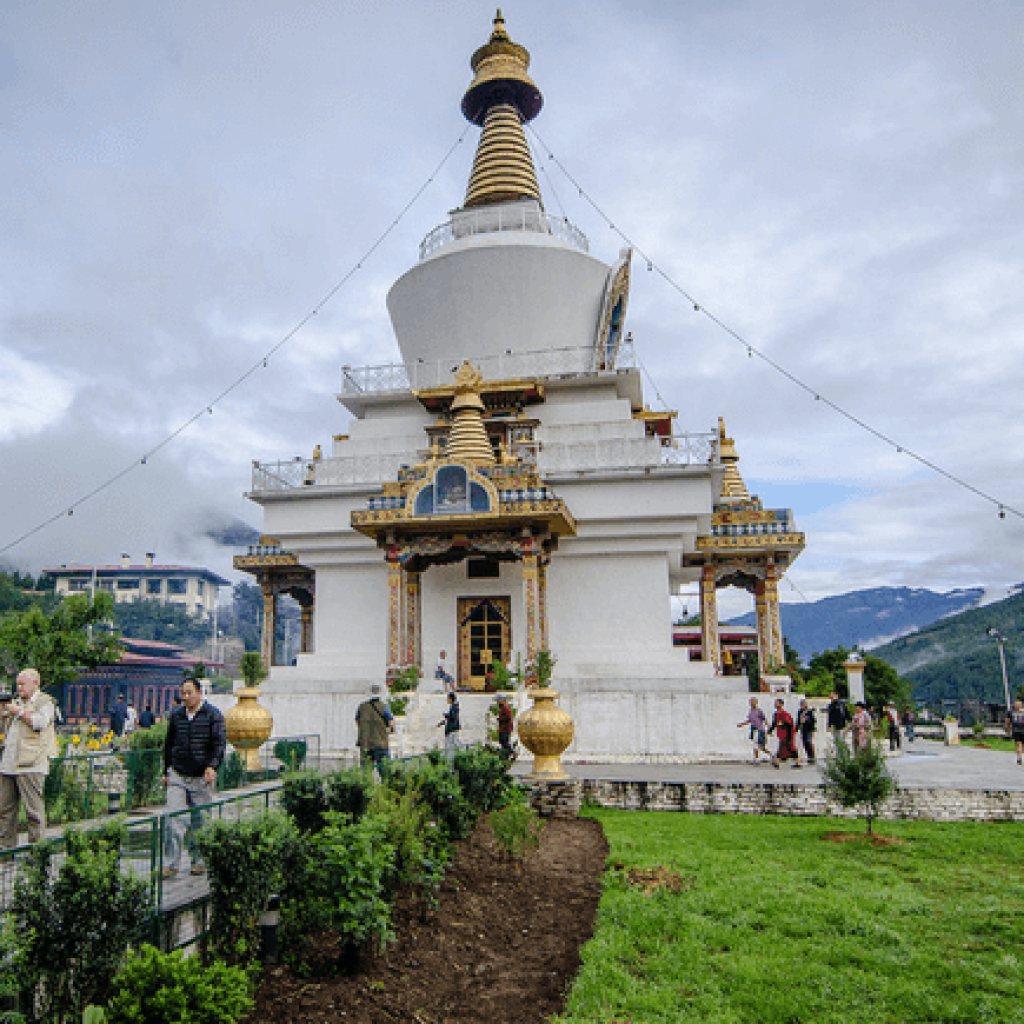
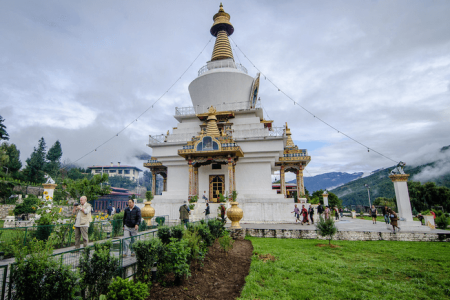
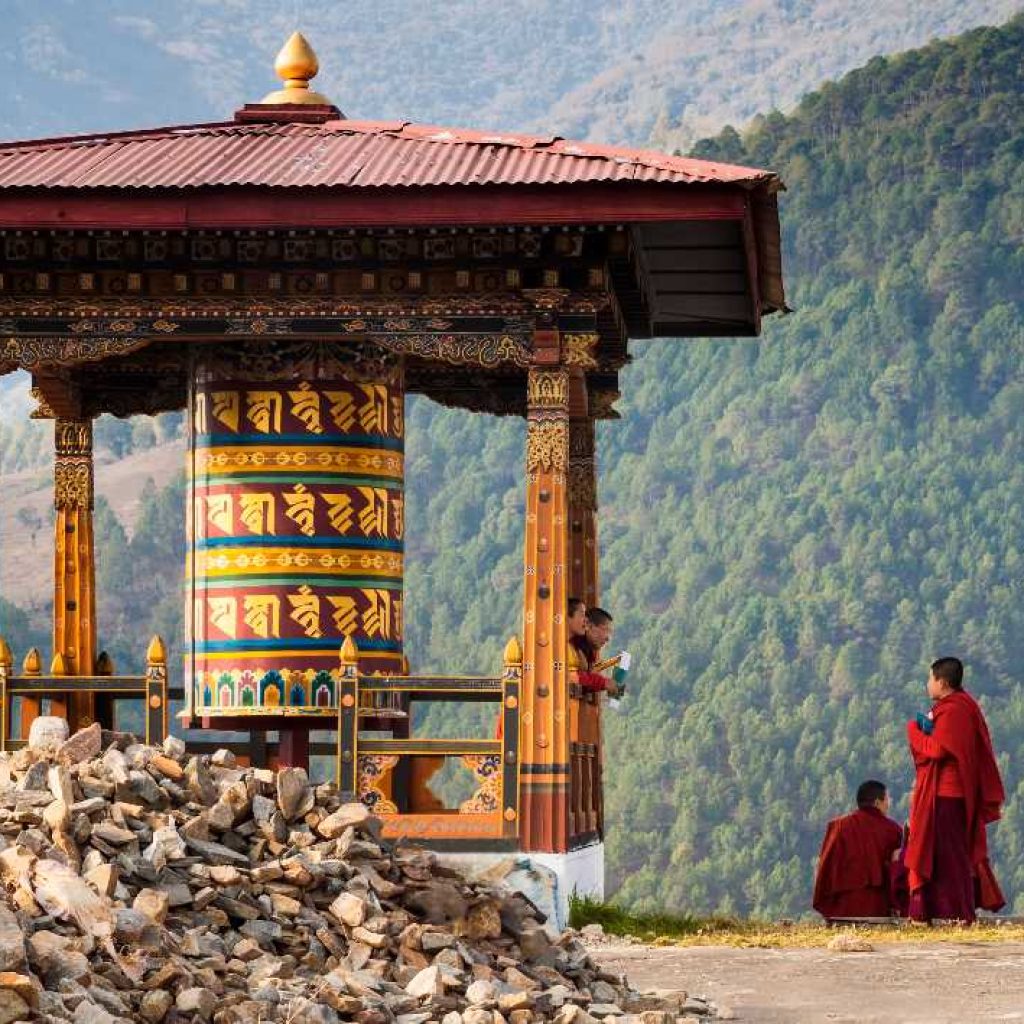
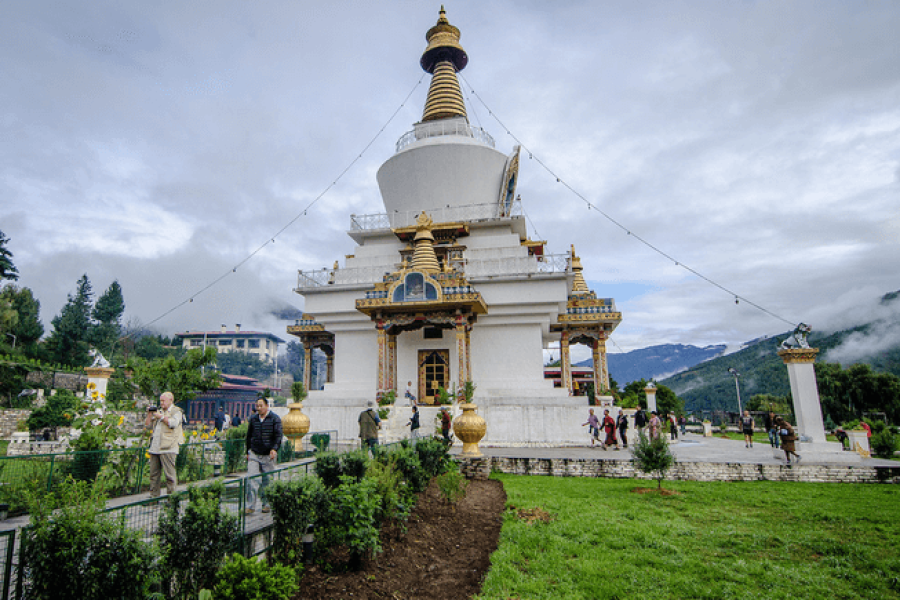
For us, the highlight was the National Memorial Chorten, a striking religious monument built in memory of the third king of Bhutan. Even early on a weekday morning, elderly locals were already circling it in quiet prayer, spinning prayer wheels, their lips moving softly. We walked alongside them for a while. It was one of the most peaceful moments of our entire trip.

If you’re travelling with a wildlife-loving partner (I am), don’t skip Motithang Takin Preserve — home to the Takin, Bhutan’s wonderfully bizarre national animal, which looks like it was assembled by a committee and somehow ended up being utterly charming.

And yes, the Buddha Dordenma — a 51-metre golden Buddha gazing serenely over the Thimphu valley — is as breathtaking as every photograph suggests. Go at sunset if you can.

For the shoppers: The Yarkay Central Market is the place to find authentic Druk handicrafts — woven textiles, hand-painted thangkas, woodwork. Budget extra time here.

Colours of Bhutan Ex Delhi 6 Days avatar

3. Haa Valley — Bhutan's Best-Kept Secret

Here’s the thing about Haa Valley: most tourists skip it. And that is exactly why you should go.

One of the least-visited and least-populated corners of the Himalayan kingdom, Haa Valley is all sweeping mountain panoramas, ancient alpine forests, and a profound, almost sacred sense of quiet. It’s the kind of place where you genuinely feel like the world has slowed down just for you — which, on a honeymoon, is exactly what you want.

We hiked a trail towards Juneydrak hermitage, a small, humble retreat to the north of Haa. The path cuts through rhododendron forests with wooden footsteps built into steep hillsides. In spring, when the rhododendrons bloom pink and red against the blue sky, it looks like a painting.

Scattered across the valley are tiny temples and gompas that date back thousands of years — Lhakhang Karpo (the White Temple) and Lhakhang Ngapo (the Black Temple) are particularly memorable. Visiting them felt less like tourism and more like being quietly welcomed into something ancient and still alive.

Perfect for: Couples who want to escape the trail entirely. If your idea of a romantic afternoon is a peaceful hike with nobody else around and a thermos of tea, Haa Valley will feel like it was made for you.

4. Punakha — History, Flowers, and a Bridge Worth Crossing

If Paro gave us adventure and Thimphu gave us culture, Punakha gave us romance — and I mean that in the most classic, sweeping sense of the word.

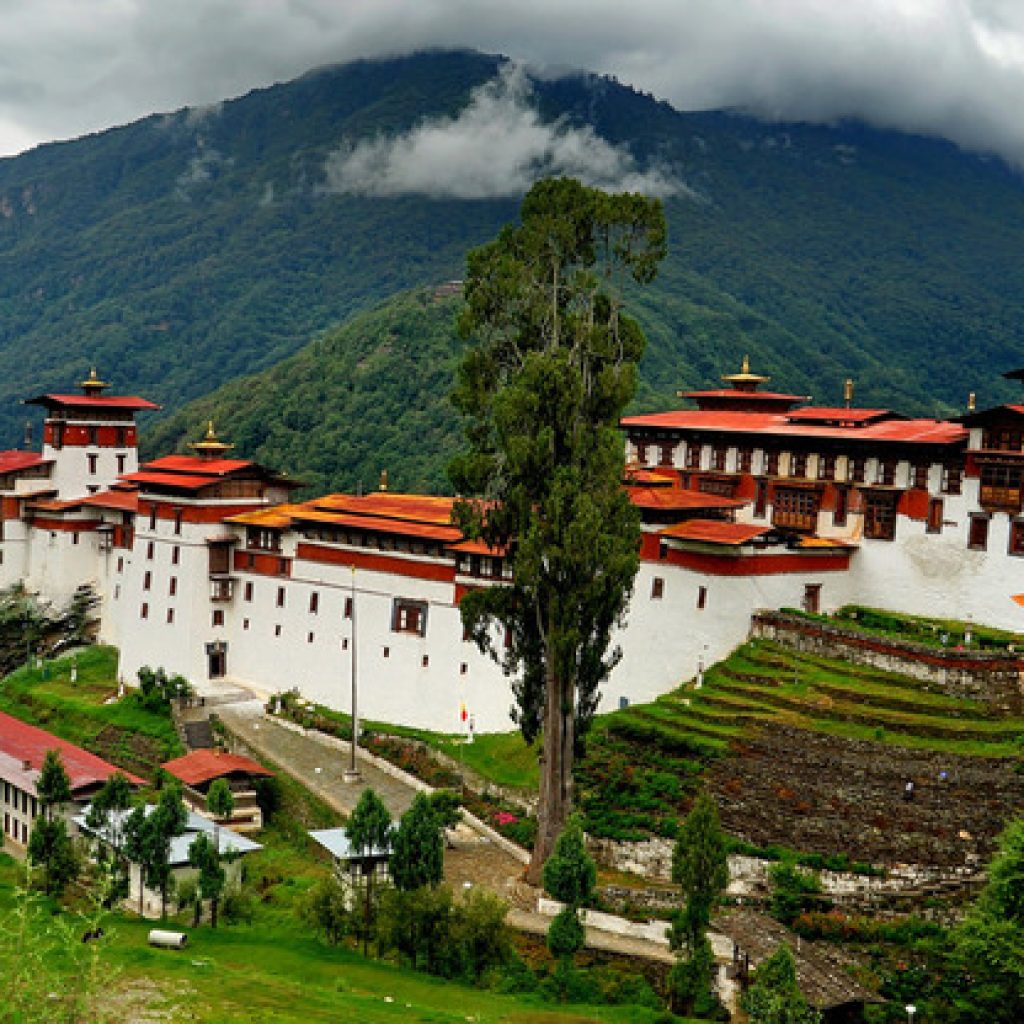
The Punakha Dzong is the crown jewel of this valley town, and it earns every superlative. The second-largest and second-oldest Dzong in Bhutan, it sits at the confluence of the Pho Chhu and Mo Chhu rivers, its white walls reflected in the blue-green water, surrounded by jacaranda trees that bloom purple in spring. We visited on a quiet weekday morning and had the outer courtyards almost entirely to ourselves. It felt surreal.

A short walk from the Dzong, the Chimi Lhakhang monastery sits on a small hillock surrounded by rice fields and farmhouses — a peaceful, slightly whimsical place with a fascinating backstory involving the Divine Madman, Lama Drukpa Kunley, who is said to have subdued a demon here. The monks we met there were warm and curious, eager to chat.

But perhaps our most fun moment in Punakha was crossing the suspension bridge over the Po Chhu River. Long, low-hanging, and adorned with thousands of colourful prayer flags snapping in the wind, it sways gently under your feet as you walk. We both pretended to be braver than we were. There are photos.


5. Bumthang — For the Couples Who Need to Breathe

By the time we reached Bumthang, we’d been travelling for several days, and there was a part of me that was ready to just be somewhere rather than see somewhere. Bumthang understood the assignment.

Nestled in eastern Bhutan and cradled by four scenic valleys — Chumey, Ura, Choekhor, and Tang — Bumthang is an extraordinarily beautiful place that asks very little of you except that you pay attention. Apple orchards. Dairy farms. Ancient villages where life moves slowly and people wave as you pass. It’s the Bhutan that feels furthest from the modern world, and all the more precious for it.

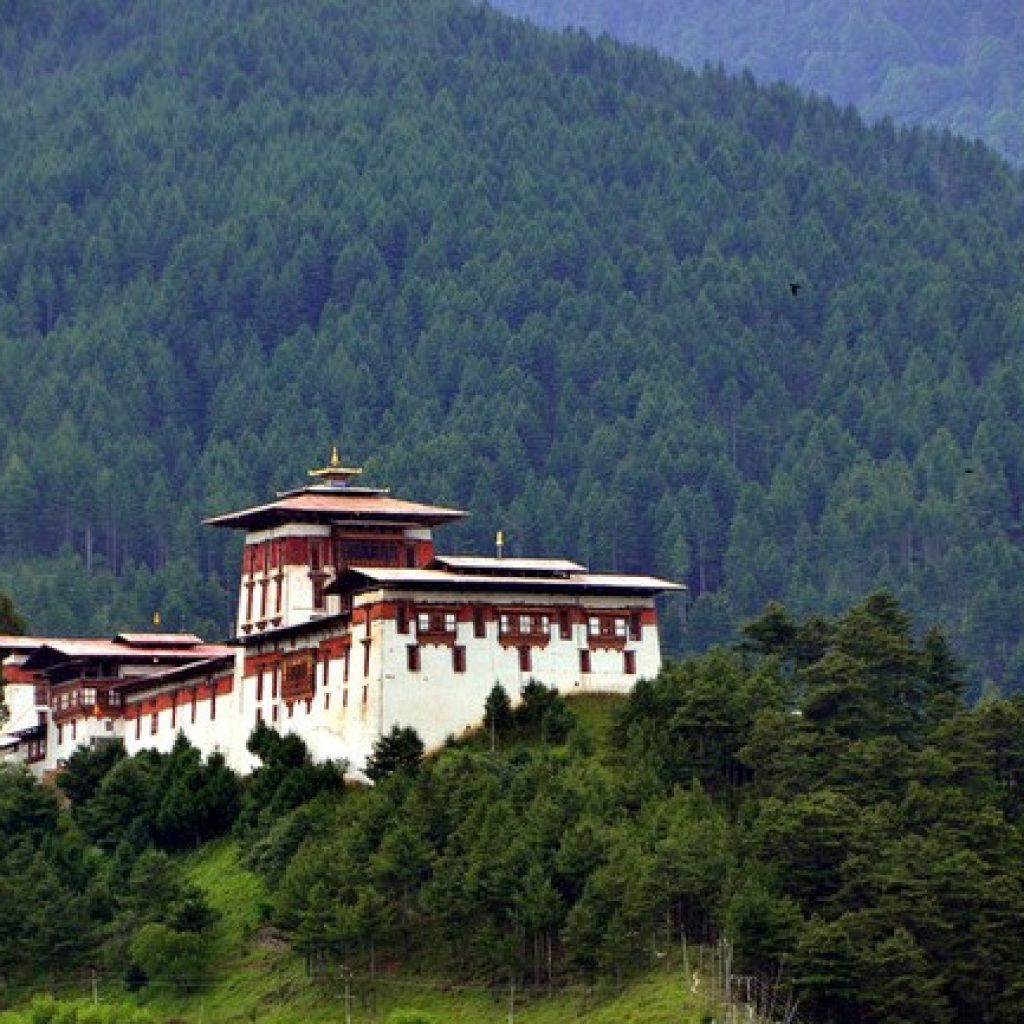
The monasteries here are among the oldest and most sacred in the country — Kurjey Lhakhang, Jambay Lhakhang, Tamshing Lhakhang, and the magnificent Jakar Dzong (which locals call the Castle of the White Bird) are all within reach and all genuinely awe-inspiring.

If you’re lucky with your timing, Bumthang’s festivals — Kurjey Tshechu, Ura Yakchoe, and the Nimalung festival — are extraordinary. Masked dances, monks in ceremonial robes, music and fire, all set against a backdrop of ancient temples. I’ve been to big music festivals and I’ve never felt anything quite like this.

A Few Honest Things Nobody Tells You About a Bhutan Honeymoon

It’s not cheap. Bhutan charges a Sustainable Development Fee (currently $100 per person per day for most international visitors), which covers accommodation, meals, transport and a guide. Think of it as part of what keeps the country the way it is. It’s worth it.

The roads can be adventurous. Mountain roads are winding and sometimes narrow. If one of you gets carsick easily, pack something for it. The views out the window are spectacular, which helps.

The best time to go is March–May (spring, with rhododendrons in bloom) or September–November (autumn, with clear mountain views). Both are beautiful.

Dress modestly when visiting dzongs and temples — shoulders and knees covered. Most temples will have kiras (traditional Bhutanese wraps) to borrow if you forget.

The people. This is the thing we talk about most when we describe Bhutan to friends. The warmth is not performative. It’s just how people are there. We were invited into homes for tea, given directions with great enthusiasm, and made to feel genuinely welcome everywhere we went.

The Honest Truth About Choosing Bhutan for Your Honeymoon

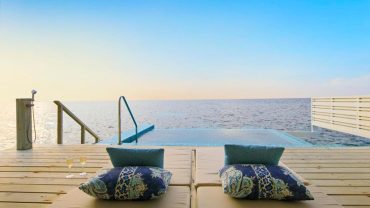
Bhutan isn’t the honeymoon for everyone — and that’s fine. If you want white sand beaches, infinity pools, and room service, you’ll find better options elsewhere.

But if you want to come home from your honeymoon feeling like you’ve genuinely experienced something — if you want to start your marriage having shared something rare and difficult and beautiful and a little bit challenging — then Bhutan might be the most perfect choice you’ll ever make.

We came back different. Quieter, maybe. More grateful, definitely. Still talking about the Tiger’s Nest three years later.

Splendors of Bhutan 7 Days

Bhutan

Colours of Bhutan Ex Delhi 6 Days

Bhutan