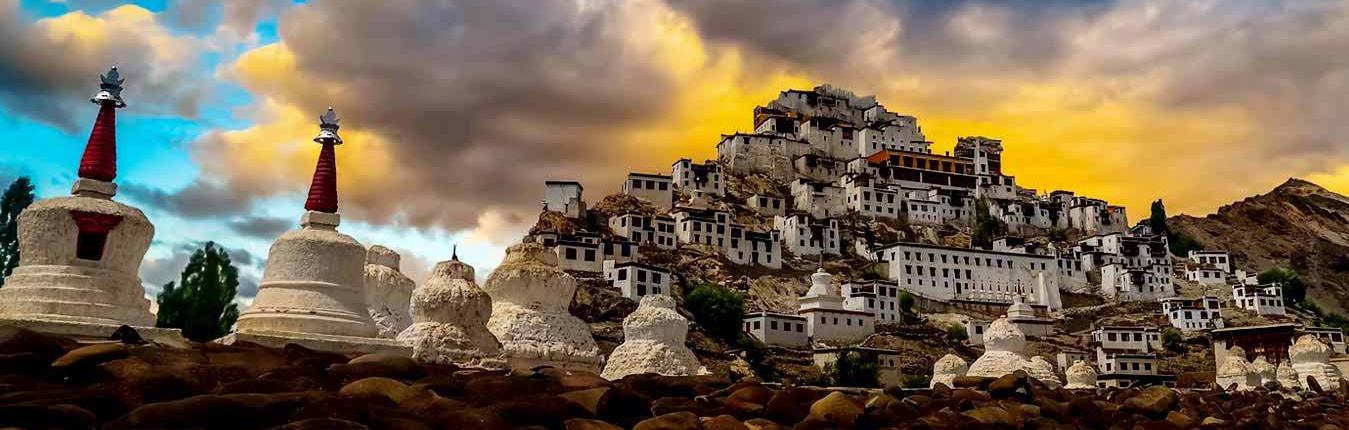
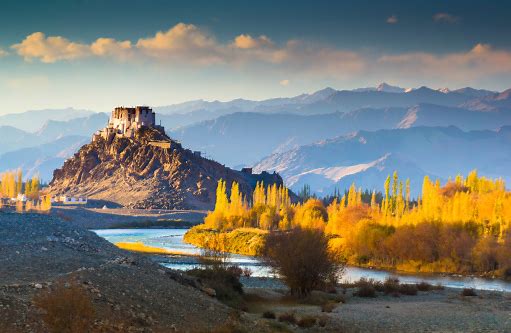
Leh Ladakh is the largest city and serves as the joint capital of the Union Territory of Ladakh. Perched at an altitude of approximately 3,500 metres (11,500 feet) above sea level, it ranks among the highest inhabited regions on earth. The air is thin, the skies are impossibly blue, and the silence — especially at night — is the kind you didn’t know you were missing until you heard it.
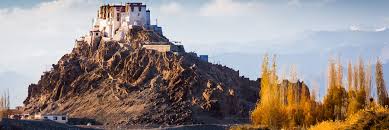
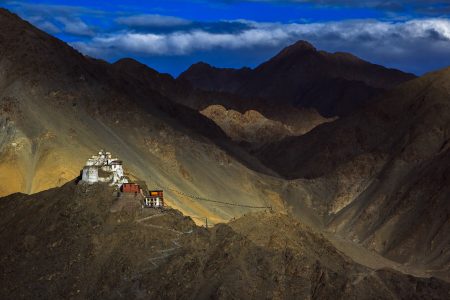
Nothing quite prepares you for your first proper look at Ladakh. The landscape is dramatic in every sense — towering Himalayan peaks, deep shadow-filled valleys, vast plateaus, and rivers cutting through ancient rock. It looks, at times, more like the surface of the moon than anywhere on earth.
Among the region’s most iconic natural attractions:
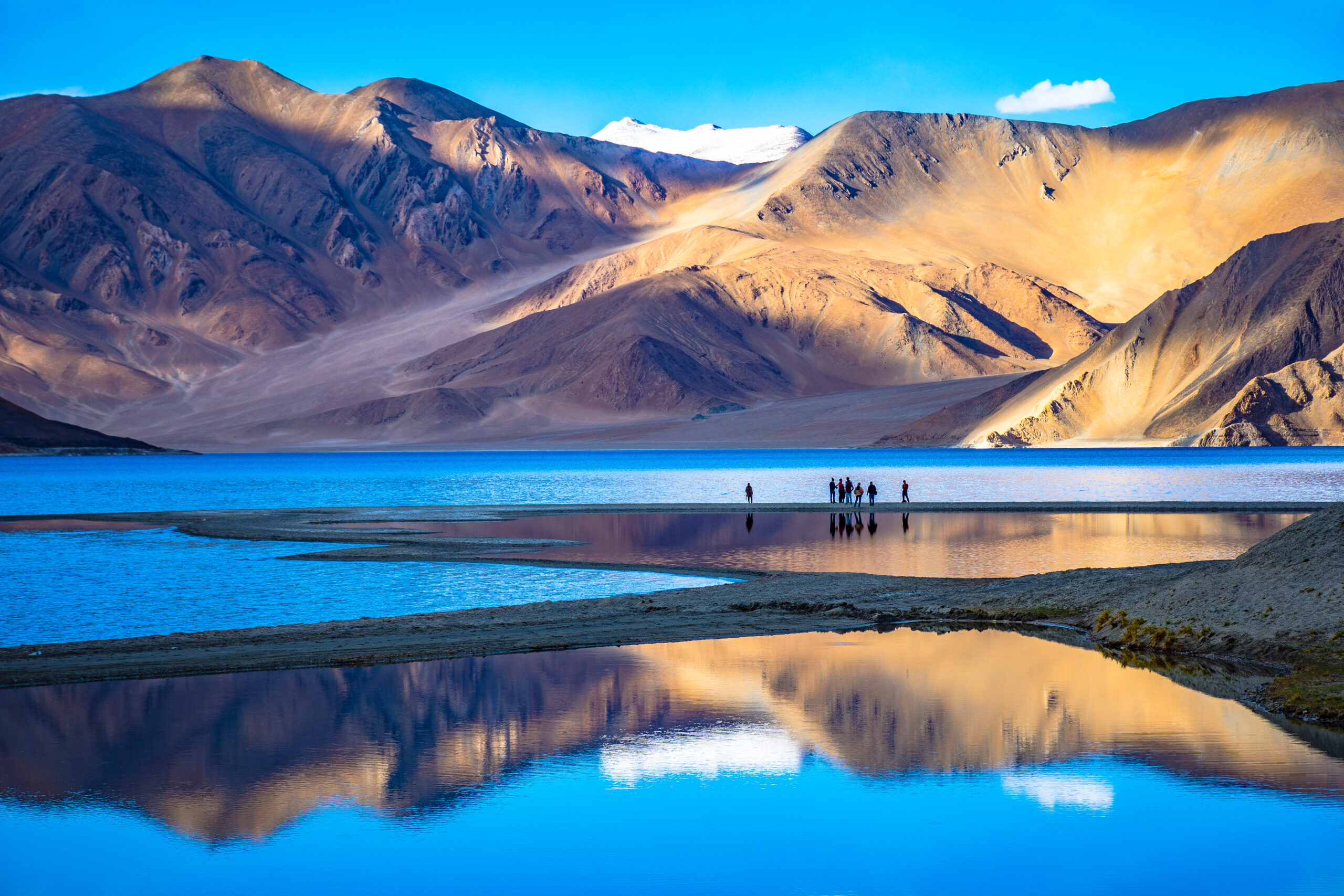
Pangong Lake sits at over 4,300 metres and stretches across both India and China. Its water shifts through impossible shades of turquoise, blue, and violet depending on the light — a sight that genuinely stops you mid-sentence. Spend a night camping on its banks and you will understand why people come back year after year.
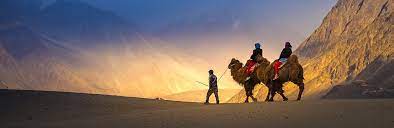
Nubra Valley, reached via the thrillingly high Khardung La Pass (one of the world’s highest motorable roads), surprises every first-time visitor. Here, amidst sand dunes that feel entirely out of place at this altitude, double-humped Bactrian camels graze peacefully against a backdrop of snow-capped peaks. It is surreal, beautiful, and completely unforgettable.
Other natural highlights include the Zanskar Valley, the Magnetic Hill (where vehicles appear to roll uphill), and the stunning confluence of the Indus and Zanskar rivers — a meeting of turquoise and muddy brown waters that is oddly mesmerising.
Leh Ladakh